
My Top Grayling Patterns - Jason Pereira
My Top Grayling Flies For Winter Fishing
I like to keep things simple with fishing and my fly boxes have few patterns but a lot of colour, size and bead options. These are my go to patterns I've been using for years and they work equally well on trout too!
Hare’s Ear Nymph
A timeless classic, the Hare’s Ear Nymph imitates a wide range of aquatic insects — especially mayfly and caddis larvae. Its rough, buggy texture and natural coloration make it irresistible to grayling in clear or slightly coloured water. I like it with a silver bead in coloured water or natural tungsten bead when the river is running clear, I also tie them without a bead to fish on a dropper or with floatant added as an emerger stuck in the surface film.
Pink Shrimp
Grayling are notoriously fond of pink, especially in winter. The Pink Shrimp mimics freshwater shrimps or scuds, common in many rivers. Its curved profile and soft body materials pulse attractively in the current. I prefer more muted pinks than the bright high vis versions, a baby pink bead for weight or unweighted for a more natural movement on the dropper.
Killer Bug
Developed by Frank Sawyer, the Killer Bug imitates freshwater shrimp and caddis larvae. Originally tied with Chadwick’s 477 wool and copper wire, which gives a lifelike, translucent tone when wet. Look at Jamieson’s 290 Oyster Spindrift wool for a great alternative to the Chadwick’s 477
Duracell Nymph
A modern favourite, the Duracell combines a flashy body with a natural outline. The mix of UV materials and a CDC collar makes it both suggestive and attractive.
Orange Tag Nymph
A simple but deadly pattern with a drab body and a bright orange tag at the tail. The flash of colour triggers aggression or curiosity in grayling.
Perdigon
Originating from Spain, Perdigons are slim, hard-bodied nymphs designed to sink fast and cut through turbulent water. They come in many colours, but natural tones with subtle flash are what I prefer for grayling.
Griffith’s Gnat
A delicate dry fly made from peacock herl and grizzly hackle, representing clusters of tiny midges. Perfect when grayling are sipping small insects from the surface. Small size 18 and 20's fished on supple 7x tippet is how I fish them.
Cul de Canon
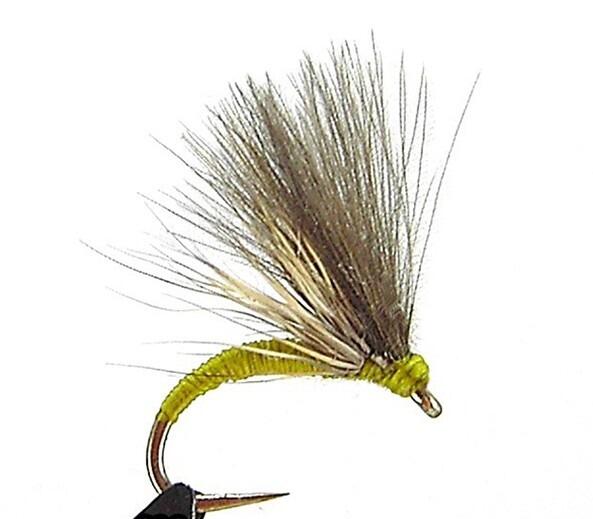
Gwilym Hughes classic emerger pattern use the natural buoyancy of CDC but with a few strands of deer hair to support the wing, It can represent olives, midges, or caddis — depending on size and silhouette. Mix up olive, browns and greys as well as a few in black in size 18’s
F-Fly
Invented by Marjan Fratnik, the F-Fly is one of the simplest and most effective dry flies ever made. A slim body and a CDC wing imitate emerging or crippled midges and olives.
All these pattern recipes and 'How To's' are on YouTube, mix up body colours, add hot spots, collars and different colour tags and all of these will work on your grayling rivers - Jason Pereira