
The account of a first-time rod-builder by Ben O'Neill

The Account of a first-time rod-builder: by Ben O'Neill
By way of super brief background,- I am perhaps practically minded and love understanding how things work or are made. However, these hands have spent more time manipulating excel spreadsheets, rather than real-world materials. It might be because my mind enjoys practical challenges; I have always been drawn towards makers and the making of things. Whether the work of a craft potter, a knife maker or some Japanese guy making unique ultralight backpacks that I will admire on Instagram and never buy, objects that have a strong purpose, beautiful design and a connection to their maker have always given me the fizz.
I had dabbled in fishing as a kid and teenager before living in town, a busy desk job and then a young family relegated it to the “one day” pile. However, when I came back to it with burning fascination some 25 years later I knew that I wanted it to be hands-on because (a) I am always fascinated with how things work and can be tweaked and (b) if I can save a few quid doing something myself I will!
Anyone reading this blog will know that fly fishing is absolutely full of rabbit holes. Building your own leaders, tying your own flies, or maybe it's just making sure your vest/pack are organised just so. Some might think that building your own rod is at the more involved, or even extreme end of this curve. I can tell you that it really needn’t be, and the results might surprise you!
I was really lucky to buy a production rod from Fortitude Rod Co, a Taniwha 9' 5wt, for my general river fishing. After half a season of fishing my local water, the river Teifi, I knew I wanted to try a euro-style nymphing rod and started weighing up a few production models. An opportunity to fish with Jason and some of his friends on the Severn and Afon Clewedog allowed me to see builds by folk like Dan Wilcox and John Murphy up close. The desire for a euro rod was now bolted on, but the surprise came when fishing the Afon Clewedog, a beautiful but tight and pocket-filled tail water. I came to realise that I also really wanted a smaller glass rod to fish under these conditions. Looking over their builds, the idea of building a 7’6” rod also felt less intimidating than a 10’ rod as a first step.
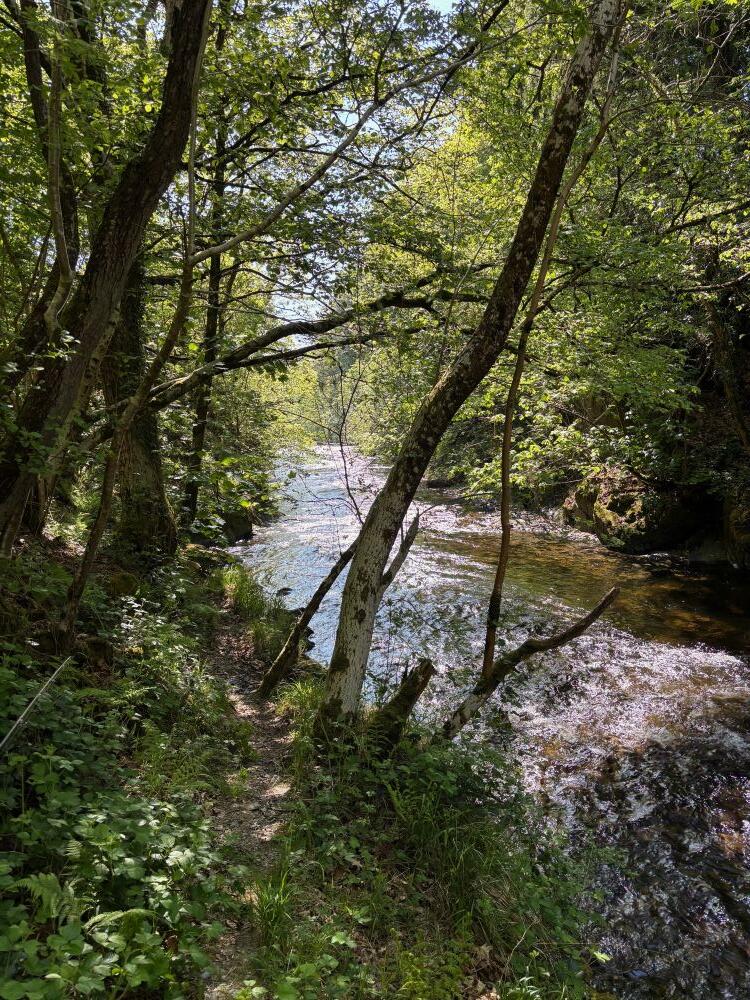
The Afon Clewedog opened my eyes to the charms of small rod water.
After several discussions and a lot of advice from Jason, two build kits were ironed out, purchased and shipped. I also took the plunge on a CRB Hand Wrapper, spreading the cost between these two builds (+ any future builds) so I could jump straight into the builds.
A small glass rod really is a perfect place to start. I admire builds from the likes of Chris Barclay or Sandy Nelson and in many of those builds, less is more. Despite being a novice builder, the “opportunity cost” of the time I needed to build a rod meant I backed myself and went straight to a spec I really wanted rather than build something super cheap I would outgrow or want to replace soon. The good news is, many mistakes are repairable, so I took the plunge on the following:
Taniwha TSH 764 - a 7’6”, 4 weight, 4 piece S-Glass blank in a really nice olive green.
Ray Lee sliding band reel seat and beautiful Ritz style cork grip
REC Recoil single-foot guides with a recoil stripping guide and tip-top
Tyre silk in Burnt Gold
I dropped my earlier plans for fancier coloured inlays on the wraps and decided to keep things minimal. That included dropping the winding check at the top of the grip, as the fit of the cork to the blank was great. I also opted to omit the hook keeper. On a rod this short I knew I’d be doubling any leader around the reel foot to keep it out of the guides. The stripping guide is within easy reach making it the right spot to hang a fly. Making numerous little decisions like this about your build can feel baffling, but is ultimately great fun and something we just don’t get with production rods.
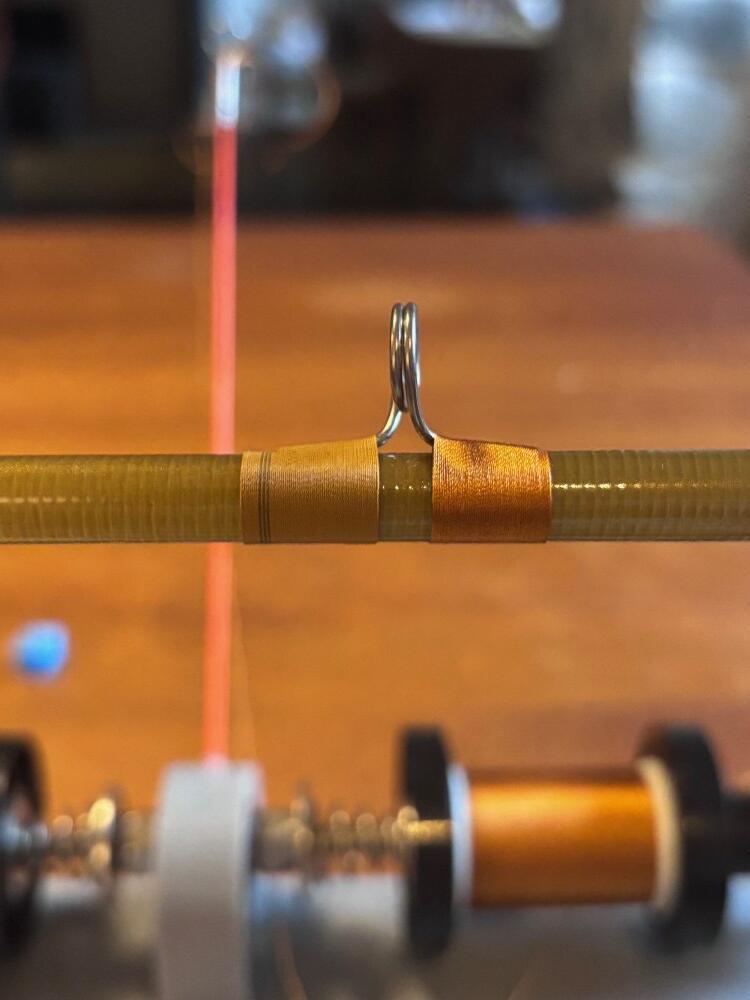
Playing with different wrap options.
I glued up, wrapped, re-wrapped and then epoxied the whole rod in something like 25-35 hours. Sometimes I took my time; other times I felt like I was eager to get it done and get it fishing. Obviously better results came from taking my time, cracking a beer and enjoying the process.
Along the way I took loads of advice. Fly fishing generally fosters a great community, but the sub-set of rod builders must be some of the most enthusiastic and generous “sub-genre” within it. I fired inane questions to rod-building legends like Sandy Nelson, John, Dan and of course Jason. I always got generous and helpful advice and tips. Finally, it was done. Whilst I could find imperfections it still looked great overall, and it would definitely fish. I had also learned a huge amount that I could now deploy on the longer rod.
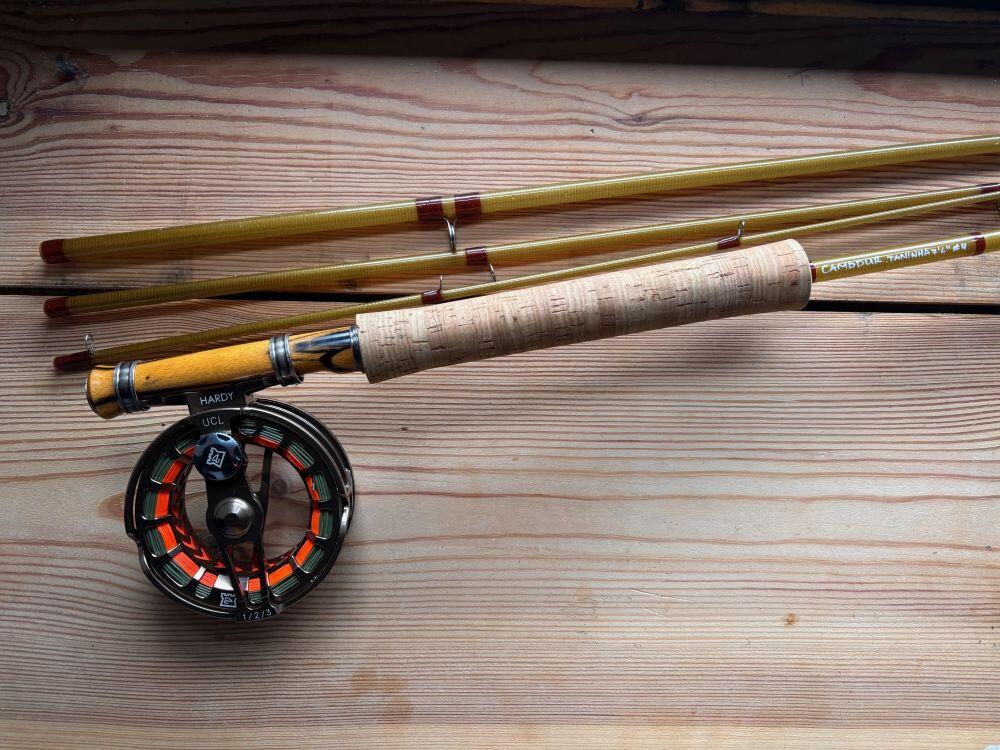
Taniwha Glass Build
Whilst it might be a bit more involved, a euro rod is definitely within reach for a novice builder. Each step is the same, you just have more rod, more guides and a finer, longer blank to work with. The confidence built in the first build definitely helped. This time I added 2 colours to my wraps, the hook keeper went on and I added alignment dots on all the sections just to be extra fancy. I also put myself under more pressure. I was heading to France and wanted the rod for the larger rivers there. With yet more help and advice, and some developing muscle memory, the second rod was built in a similar timescale, to the following specification:
FRC Union Elite 10’ 2 weight blank
FRC UL6M reel seat paired
Slim RHW grip in stunning cork and a rubberised cork fighting but
REC Recoil Ultralight guides - with single foot guides throughout bar two snake guides jut below the tip.*
Wrapped using the same Tyre silk with some highlight in green silk.
With both rods I used the Gen IV epoxy and have enough for a third build
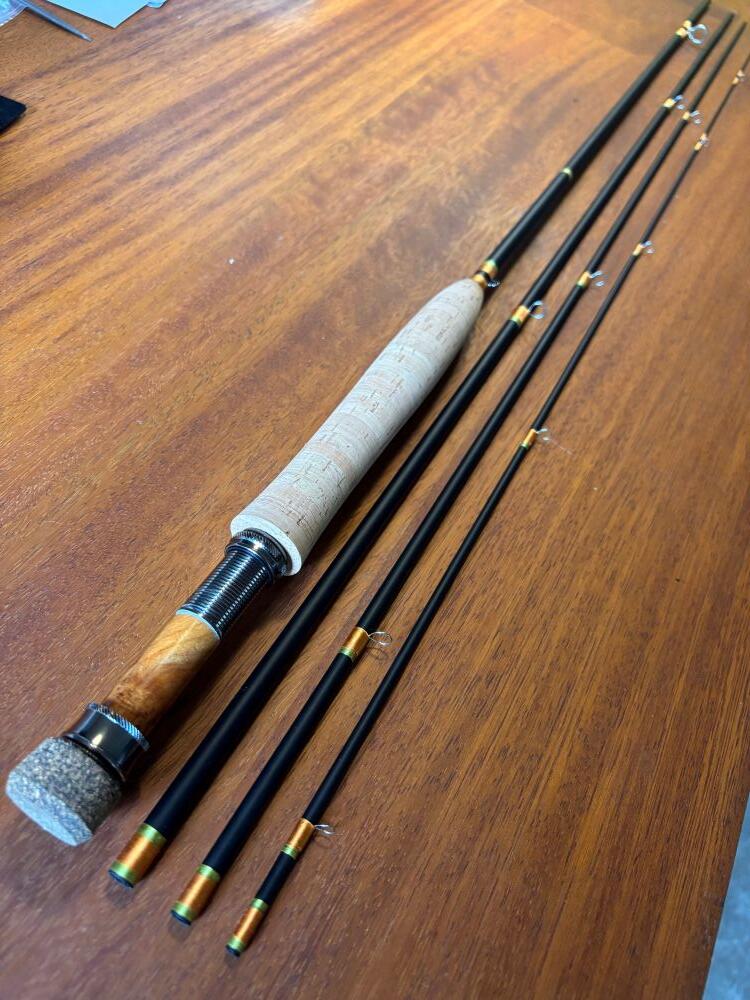
The 10´ 2 weight euro rod wrapped and ready for epoxy
I really enjoyed building these two rods. OK, I enjoyed most of it. Applying epoxy felt stressful because it is potentially messy and time sensitive, but whilst it sometimes looked awful going on, by the time a second coat had flowed over the wraps and cured they looked surprisingly professional. Just ensure you have a ready supply of isopropanol alcohol on hand and remember, you get a shot at tidying things up between coats.
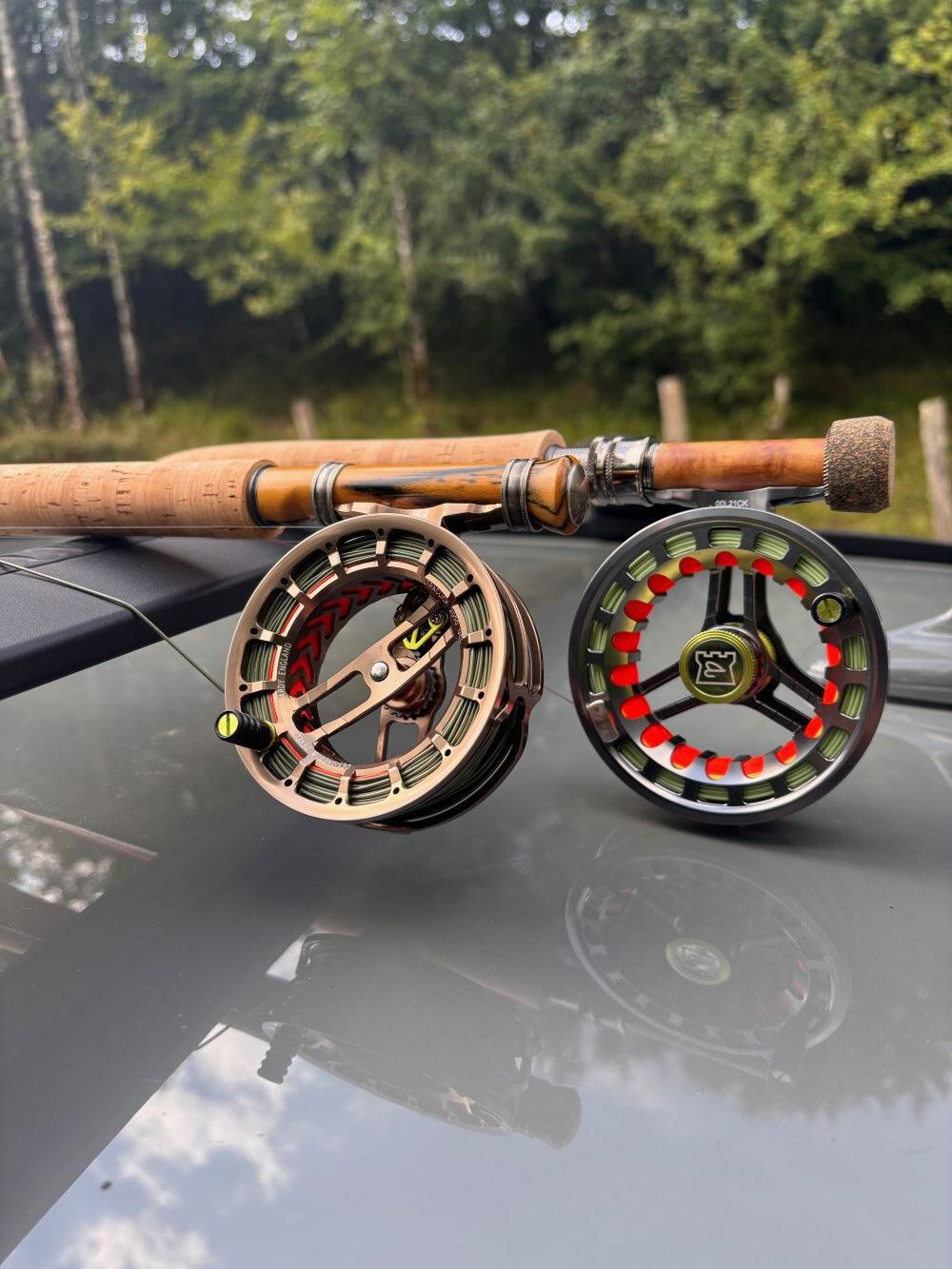
The rods on tour in Eastern France
Both turned out well enough to impress some of my fishing buddies. I don’t have the experience of fishing and casting many rods to give you a detailed review, but I look forward to fishing both of them every time they come out of the tube. The 10’ 2wt Union Elite can also cast a dry fly line with extreme delicacy, and where wind and cover allow, I love fishing it this way. But it was built to get bugs down and dirty this autumn where it has delivered the goods on some solid grayling too.
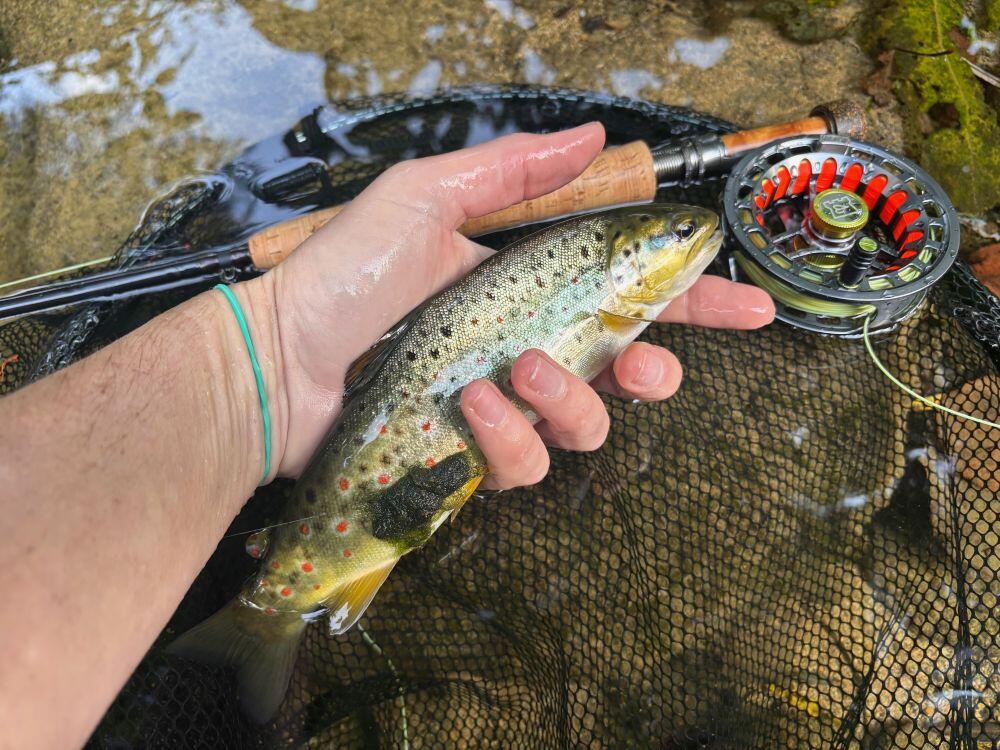
A trout from a low and challenging Rivière D’Ain that took a size 18 Cul de Cannon dry in skinny, clear water.
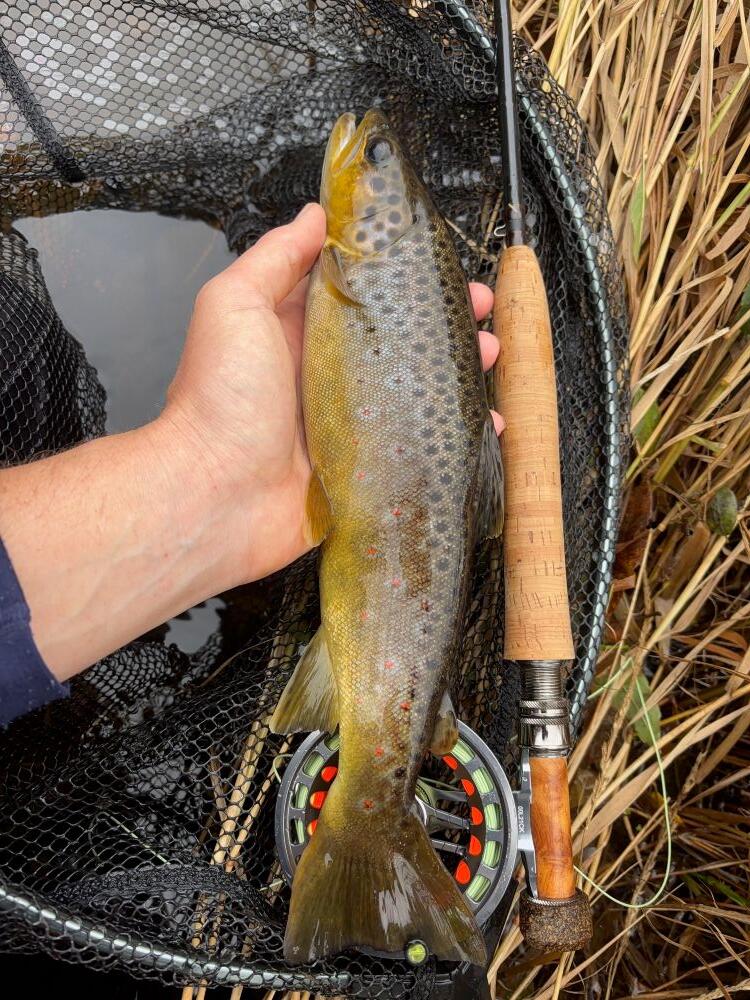
On the last day of the season, this fish took a jig streamer pulled through the tail-out of a pool.
Fishing a rod that you built brings a really special satisfaction to your fishing and makes any success even sweeter. It also allows you to imagine how you would tweak the tool in your hand to perfectly suit your needs, or how you would build that next rod to open up new fishing horizons. If you’re reading this as DIY-curious angler I would encourage you to give it a go. What am I planning to build next? Just watch this space!
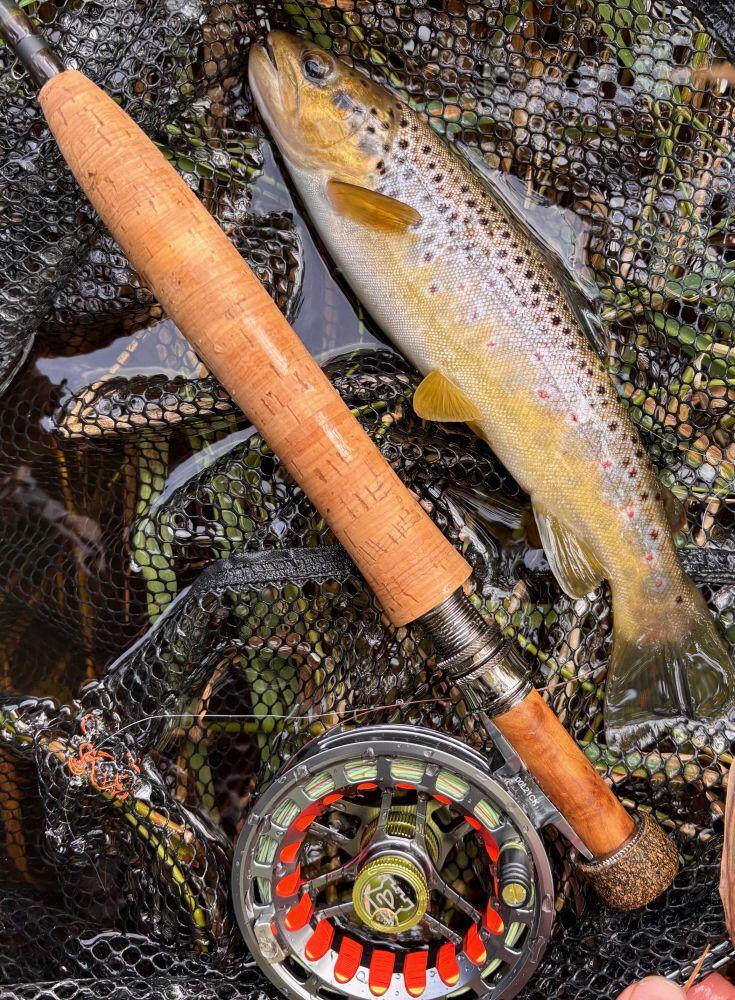
My first trout after dropping the fly line and using the nymph rod as intended, tight lining a pair of nymphs between rafts of ranunculus.
Here are my top 5 tips for first time builders:
Give it a go. You will be surprised at what you can achieve.
Make your decisions and stick to them. I changed my mind a few times and my first call might have been better.
Invest in a few good tools. All of the production euro rods I looked at were £300+, my really well-speced build cost nearly half that allowing me to justify the tools to make it (and future builds) work.
Ask for advice. From helping me pull together the right components and giving a tonne of advice along the way, Fortitude did so much more than sell me the bits. But find the rod builders you admire on social media and fire them a question or two.
Clean your work space, then clean your hands, then clean them again. Especially when it comes time for epoxy.
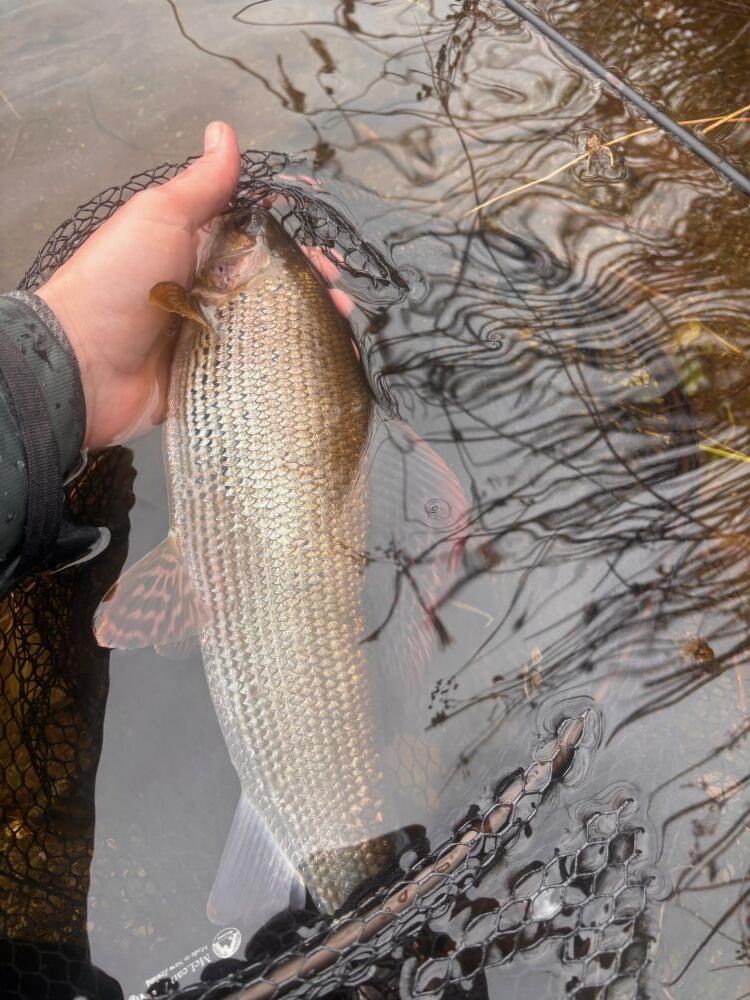
My best Grayling of the season on the 10’ 2wt FRC Union Elite
To follow Ben's fishing, fly tying and rod building journey follow him on Instagram here